
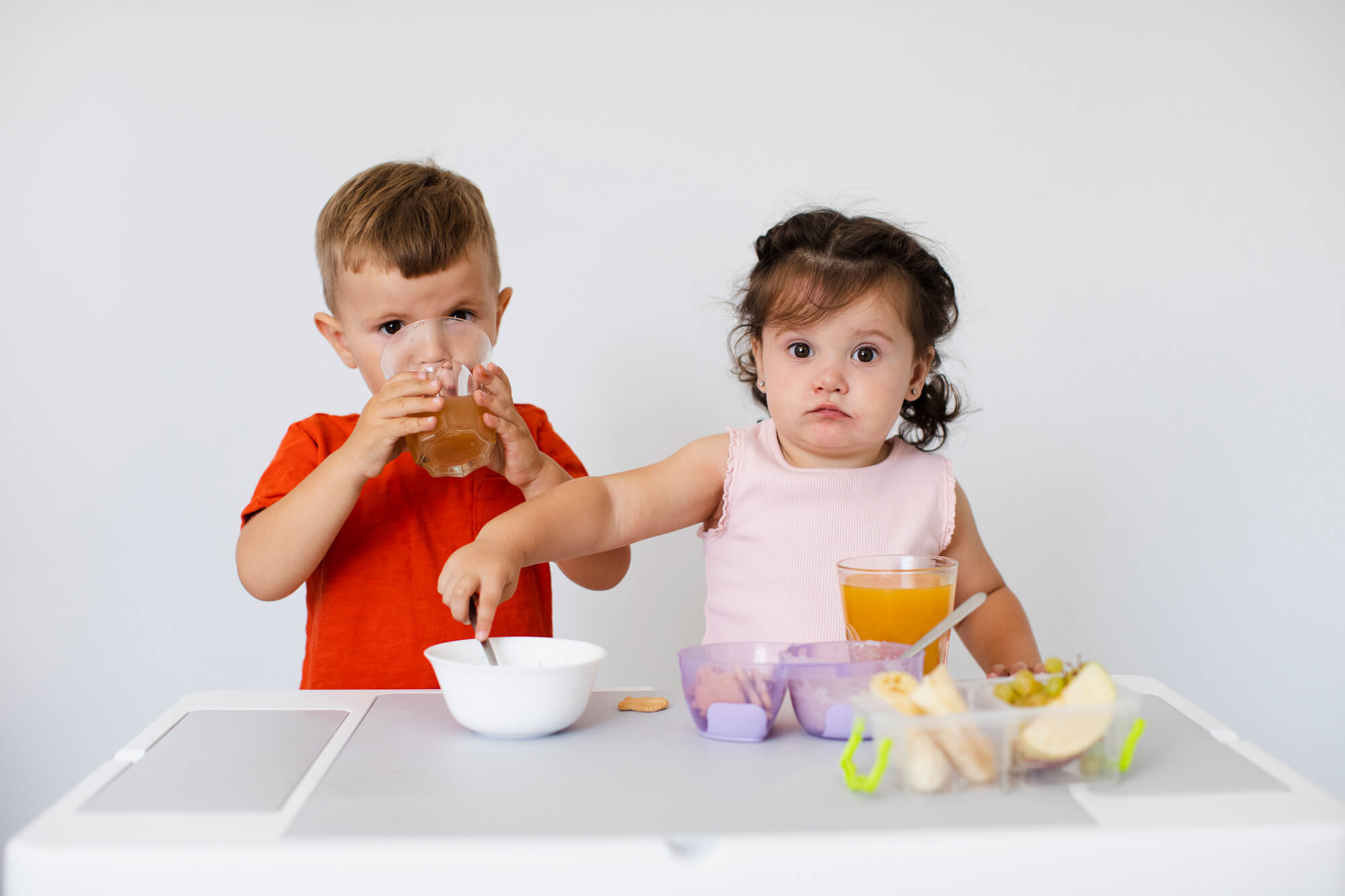

When planning a preschooler’s diet, it’s essential to be mindful of certain foods and ingredients that may not be suitable for their age and development. Here are some items that are generally best limited or avoided in a preschooler’s diet:
Added Sugars
Minimize sugary snacks, candies, and sweetened beverages.
Be cautious with sugary cereals and desserts.
Processed Foods
Limit processed and packaged foods with high sodium content.
Watch out for convenience items that may contain artificial additives and preservatives.
Fried Foods
Restrict the intake of fried foods, such as french fries and fried snacks.
Sodas and Energy Drinks
Avoid sugary sodas and energy drinks, as they provide empty calories and can contribute to dental issues.
Highly Caffeinated Foods/Drinks
Keep preschoolers away from caffeinated beverages like coffee and tea.
Unhealthy Fats
Limit saturated and trans fats found in fast food, fried foods, and some processed snacks.
Large Quantities of Juice
While small amounts of 100% fruit juice are acceptable, it’s best to avoid excessive consumption due to the high sugar content.
Nut Allergens
Be aware of nut allergies and avoid nuts or nut-based products if there are known allergies in the group.
Unsupervised Small Foods
Be cautious with small, hard foods that can pose a choking hazard, such as whole nuts or popcorn.
Artificial Sweeteners
Minimize the use of artificial sweeteners in foods and beverages.
Highly Spicy Foods
Be mindful of spicy foods that may be too intense for a preschooler’s palate.
Raw or Undercooked Eggs or Meats
Ensure that eggs and meats are cooked thoroughly to reduce the risk of foodborne illnesses.
Always consider individual dietary restrictions, allergies, and cultural preferences when planning meals for preschoolers. It’s essential to involve parents and caregivers in discussions about the child’s diet to ensure a balanced and safe approach to nutrition.