

The following is a true story 🙂
Transforming everyday surroundings
Someone once said, “If you want your child to read, pick up a book and read.”
There is something deeper in that simple idea. Children are constantly observing the world around them. They watch what we do, how we treat others, how we respond to difficult situations, and what we value. And perhaps no influence is greater than the people closest to them—their family and their everyday circle of care.
Sometimes, without realizing it, we teach our children simply by living our lives.
In our family, we have a Santa sock that we use for what we call “Sadaqe”—money set aside for charity. Throughout the year, we put coins and small amounts of money into it, and at the end of the year, we take everything out and donate it to charity.
Recently, we decided to do something a little different. Instead of waiting until the end of the year, we started giving some of the coins directly to people who were experiencing homelessness or appeared to be in need.
One day, we handed a small bag of coins to a man on the street. His face immediately lit up with a big smile.
The following week, we saw another person who appeared to be in need. We stopped car, rolled down the window and his dad handed the back to his mom to give the back to the man.
Daniel was sitting in the back seat watching all of this.
Then, one day, Daniel and his mom were out shopping. They walked by an older man in a wheelchair holding a sign.
Daniel immediately turned to his mom and told her to give the man some money.
His mom replied, “I don’t have any change.”
Daniel thought for a moment and said, “You have some in the car.”
His mom tried to reassure him.
“Don’t worry so much, Daniel. He’ll be fine.”
She wasn’t trying to dismiss his concern. She was trying to take the weight of worry off his young shoulders. She thought he was too young to carry the burden of worrying about other people’s circumstances.
But Daniel responded with a question that stopped her:
“What if you were in his place?”
They returned to the car.
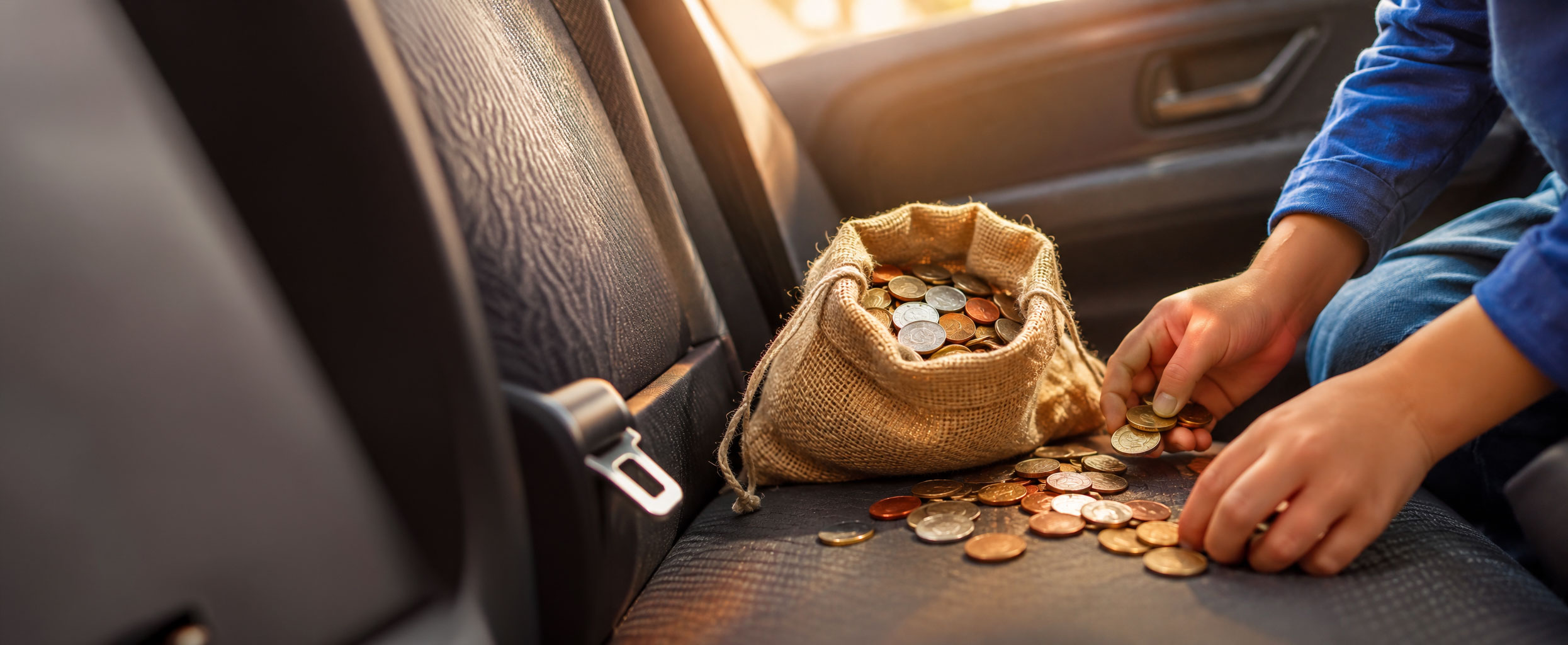
Daniel remembered that there were some coins on the floor in the back seat. They were coins that had fallen out of the little bags we had given to people in need.
His mom said, “Okay, but you have to pick them up and give them to the man.”
Daniel reached down and picked up the coins with both hands.
Then he gave every one of them to the man.
It was a small moment.
Just a child.
A handful of coins.
A person in need.
And a question that came from a place of genuine empathy.
“What if you were in his place?”
In summary
As parents, we often think about the lessons we need to teach our children. We teach them to share, to be kind, to say thank you, to help others, and to care about the world around them.
But sometimes the most powerful lessons aren’t taught through instructions at all.
They are witnessed.
Children observe their environment. They notice what happens around them. They notice how we treat the people who have less than we do. They notice whether we stop to help. They notice whether we look away.
And over time, those observations become part of how they understand the world.
We all go through life hoping to have a positive impact—to leave something good behind and, perhaps, inspire the people around us to do the same.
As parents, one of the most rewarding parts of that journey is seeing those values reflected back through our children. There is something incredibly special about watching your child care about another person.
You realize that maybe they weren’t just watching after all.
They were learning.